
Lichen Planus
Lichen Planus is an inflammatory skin condition causing itchy rashes and bumps. The Skin Surgery Center offers expert, personalized care to help manage your symptoms.
Treatment availability varies by The Skin Surgery Center location. Please contact your clinic to confirm.


Lichen Planus is an inflammatory skin condition causing itchy rashes and bumps. The Skin Surgery Center offers expert, personalized care to help manage your symptoms.
Treatment availability varies by The Skin Surgery Center location. Please contact your clinic to confirm.
What is Lichen Planus?
Lichen Planus: Symptoms, Impact, and Expert Treatment at The Skin Surgery Center
Lichen Planus is a common inflammatory skin condition that affects many people. It typically appears as small, itchy bumps or a rash, often found on the torso, wrists, ankles, and inside the mouth. In some cases, it can also impact the appearance of fingernails and toenails. This chronic condition is believed to be related to an immune system disorder and can cause significant discomfort and cosmetic concerns.
At The Skin Surgery Center, your skin health is our priority. Our experienced dermatologists are dedicated to helping you manage lichen planus with personalized care. If you are struggling with lichen planus, schedule an appointment with a trusted The Skin Surgery Center provider. We will create a unique treatment plan tailored to the specific needs of your skin.
What are the Symptoms of Lichen Planus?
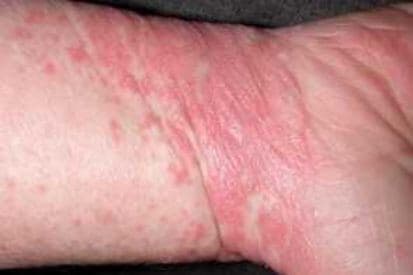
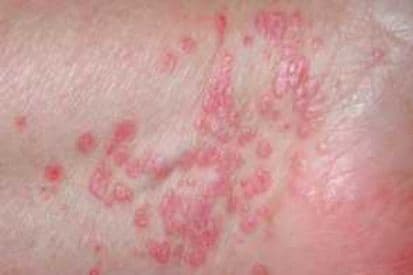
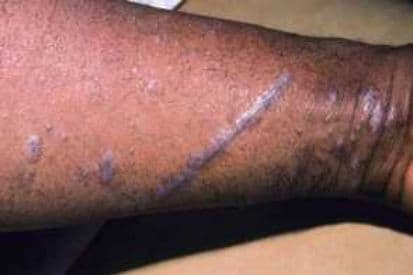
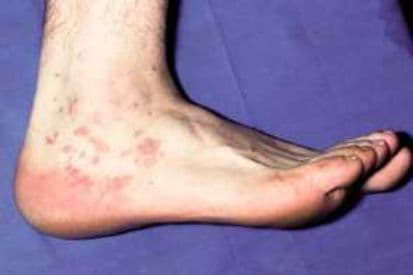
Glossy, firm, reddish-purple bumps with delicate white lines.
The quantity of these distinctive eruptions can vary from a few to numerous, commonly appearing on areas like wrists, lower back, and ankles.
Examples of Lichen Planus
Causes of Lichen Planus
Lichen planus is an inflammatory skin condition with no precisely identified cause.
Lichen planus is thought to be triggered by an abnormal immune response.
Certain viral infections, such as hepatitis C, have been associated with lichen planus.
Allergic reaction and exposure to certain chemicals may trigger lichen planus.
How to Prevent Lichen Planus
Preventing Lichen planus can be challenging as its exact cause is not fully understood. However, certain measures may help reduce the risk of flare-ups or alleviate symptoms:
Avoid Triggers: Identify and avoid potential triggers such as certain medications, allergens, or chemicals that may be associated with the onset of lichen planus.
Practice Stress Management: Since stress can contribute to flare-ups, adopting stress-reduction techniques such as meditation, yoga, or deep breathing exercises may be beneficial.
Maintain Good Oral Hygiene: If lichen planus affects the mucous membranes inside the mouth, practicing good oral hygiene and regular dental check-ups can help manage symptoms.
It's important to note that while these measures may be helpful for some individuals, there is no guaranteed way to prevent lichen planus entirely.
How to Treat Lichen Planus
Dermatologists typically diagnose lichen planus through a thorough examination of the skin, nails, and mouth. While visual inspection is often sufficient, in some cases, a skin biopsy may be necessary to examine tissue under a microscope for confirmation. Once diagnosed, various treatment options may be recommended, including:
Antihistamines: These can be prescribed to alleviate itching and discomfort associated with lichen planus.
Topical Corticosteroids: Creams or ointments containing corticosteroids are commonly used to reduce inflammation and manage skin lesions. They are applied directly to the affected areas.
Corticosteroid Pills: In more severe or widespread cases, oral corticosteroids may be prescribed to control inflammation and immune system response.
PUVA Therapy (Light Therapy): This involves exposure to ultraviolet A (UVA) light after taking a light-sensitizing medication (psoralen). It can be effective in managing lichen planus symptoms.
Retinoic Acid: Topical or oral retinoids, such as retinoic acid, may be recommended to promote skin cell turnover and reduce inflammation.
Tacrolimus Ointment or Pimecrolimus Cream: These are calcineurin inhibitors that can be applied topically. They are an alternative to corticosteroids, particularly in sensitive areas.
It's important to note that treatment plans may vary based on the type and severity of lichen planus, as well as individual patient factors. Schedule an appointment with one of our skin experts to determine your treatment plan for Lichen Planus.
Lichen Planus FAQs

How The Skin Surgery Center Can Help
If you’re experiencing a skin concern, a consultation with one of our providers is a great first step. Our team will assess your skin condition, discuss what may be causing your symptoms, and help you feel informed and confident about your path to healthier skin.