
Dysplastic Nevi - Atypical Moles
Dysplastic nevi are atypical moles with irregular features that may indicate elevated melanoma risk. The Skin Surgery Center provides expert evaluation and monitoring.
Treatment availability varies by The Skin Surgery Center location. Please contact your clinic to confirm.
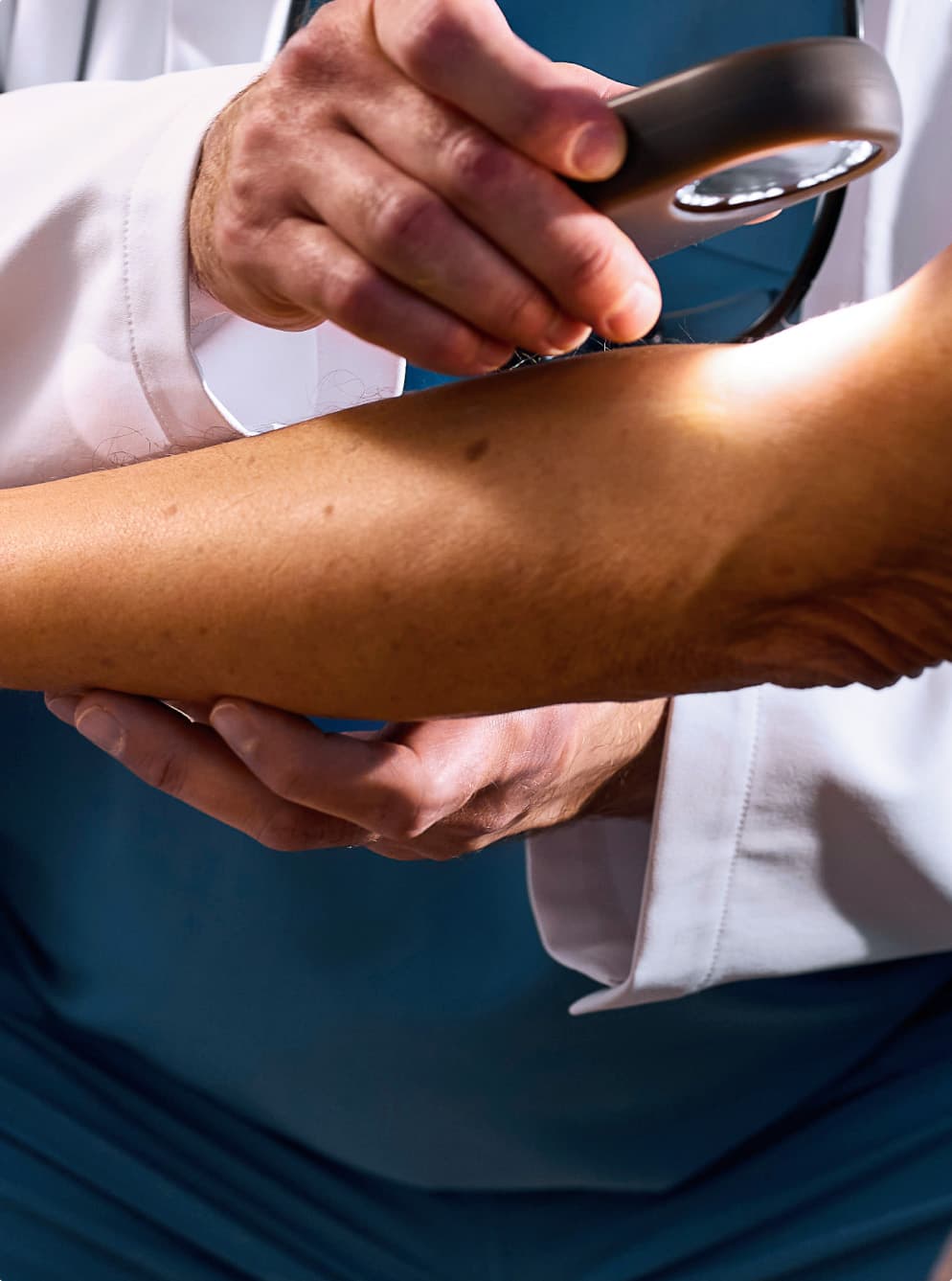

Dysplastic nevi are atypical moles with irregular features that may indicate elevated melanoma risk. The Skin Surgery Center provides expert evaluation and monitoring.
Treatment availability varies by The Skin Surgery Center location. Please contact your clinic to confirm.
Dysplastic nevi, commonly referred to as atypical moles, are moles that exhibit unusual characteristics. These moles are often larger than typical moles, have irregular shapes, and feature uneven borders with variations in color. While dysplastic nevi can resemble melanoma, a serious type of skin cancer, they are generally benign. However, individuals with dysplastic nevi do have a slightly higher risk of developing melanoma compared to those without these types of moles. It's important to be vigilant during at-home self-examinations. Look out for the distinct features of dysplastic nevi, such as size, shape, border irregularity, and color variation. If you notice any suspicious moles, it's crucial to notify your trusted dermatology provider at one of our offices. Scheduling a total body skin exam is an essential step in maintaining healthy skin and allows for the timely identification and proper treatment of dysplastic nevi. Regular monitoring of any evolving moles is key to ensuring skin health. Early detection and intervention can make a significant difference in outcomes, so make sure to keep an eye on any changes and seek professional evaluation when necessary. By staying proactive with skin examinations and professional check-ups, you can effectively manage and mitigate the risks associated with dysplastic nevi.
Examples of Dysplastic Nevi
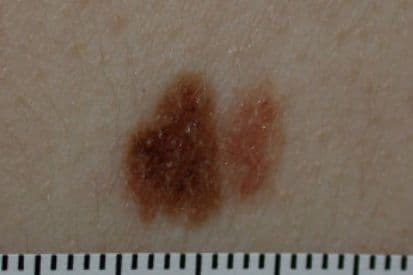
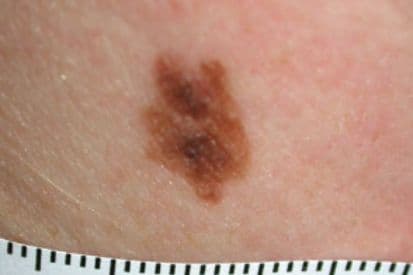
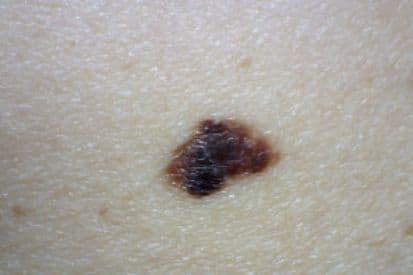
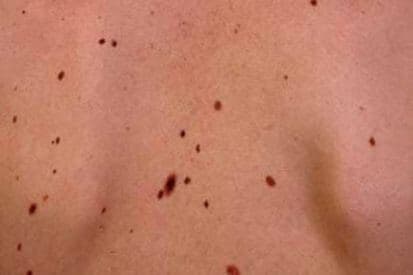
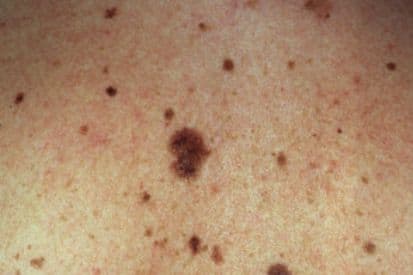
What are the Symptoms of Dysplastic Nevi?
Atypical moles are a size that exceeds that of common moles.
These moles often exhibit a range of colors, including tan, brown, and red, creating an uneven or variegated appearance.
The shape is irregular, featuring indistinct borders.
They may appear either flat or slightly raised on the skin's surface, adding to their atypical nature.
Dysplastic nevi are known for their potential to change over time. These changes can be alterations in size, color, or overall shape.
Causes of Dysplastic Nevi
A family history of dysplastic nevi or melanoma indicates genetic predisposition.
Exposure to UV radiation.
Fair-skinned individuals with more moles are susceptible.
How to Prevent Dysplastic Nevi
Preventing dysplastic nevi involves a combination of sun protection measures, regular skin monitoring, and awareness of risk factors. Review the list below for key preventive measures:
Sun Protection Measures: Wear protective clothing, including hats and long sleeves and use broad-spectrum sunscreen with a high SPF. Seek shade during peak sunlight hours between 10 a.m. and 4 p.m.
Regular Skin Monitoring: Perform regular at-home self-exams of the skin and moles. Notify your dermatologist provider right away if you notice any unusual or evolving moles. It is also important to schedule an annual total body skin exam with one of our trusted providers.
Awareness of Risk Factors: Individuals with a family history of dysplastic nevi or melanoma should be particularly vigilant, as they are at higher risk.
Avoid Tanning Beds: Steer clear of tanning beds to reduce the risk of dysplastic nevi development.
A proactive approach to skin health, encompassing sun awareness, regular self-examinations, and professional checks, is key in preventing and detecting dysplastic nevi at an early, manageable stage. Our team of dermatology providers is always here to support you in your journey to healthy skin.
FAQs for Dysplastic Nevi
How to Treat Dysplastic Nevi
The management of dysplastic nevi, or atypical moles, involves a comprehensive approach focused on monitoring and potential removal for further evaluation or cosmetic reasons. See the list of treatment possibilities below:
Surveillance and Monitoring: One of our dermatologists will closely monitor dysplastic nevi due to their potential to transform into melanoma. Regular at-home self-exams are key – make sure to notify your dermatologist of any unusual or evolving moles. It is also important to schedule regular Total Body Skin Exams at one of our locations.
Surgical Removal: If dysplastic nevi exhibits concerning features or irregularities during our providers’ evaluations, your dermatologist may recommend an excisional biopsy or complete removal.
Reducing Malignancy Risk: Excisional biopsy aims to reduce the risk of potential malignancy by removing atypical moles.
Regular Follow-ups: Individuals with a history of dysplastic nevi or a family history of melanoma should maintain regular visits with one of our skincare experts.
Optimal Skin Health: While not all dysplastic nevi require treatment, their careful monitoring is crucial for optimal skin health and cancer prevention.
A collaborative approach between you and our dermatologists, involving regular surveillance, surgical intervention when necessary, and ongoing follow-ups, is key to managing dysplastic nevi and reducing the risk of melanoma. Schedule an appointment today to start your journey to healthy skin.