
Cutaneous Candidiasis Diagnosis and Treatment
Experience expert diagnosis and treatment for cutaneous candidiasis at Pinnacle Dermatology. Our dermatologists help diagnose and treat fungal skin infections so you can find relief and restore healthy skin.
Treatment availability varies by The Skin Surgery Center location. Please contact your clinic to confirm.

Experience expert diagnosis and treatment for cutaneous candidiasis at Pinnacle Dermatology. Our dermatologists help diagnose and treat fungal skin infections so you can find relief and restore healthy skin.
Treatment availability varies by The Skin Surgery Center location. Please contact your clinic to confirm.
What is Cutaneous Candidiasis?
Cutaneous candidiasis is a common fungal skin infection caused by an overgrowth of candida, a type of yeast that naturally lives on the skin and inside the body. This condition, sometimes called a skin yeast infection or candida rash, develops when candida multiplies in warm, moist environments.
Skin cutaneous candidiasis most often occurs in areas where moisture becomes trapped, including:
Under the breasts
Armpits
Groin and inner thighs
Between fingers and toes
Abdominal skin folds
Diaper area in infants
Around the corners of the mouth
Types of Cutaneous Candidiasis
Cutaneous candidiasis can develop in several areas of the body, but all forms share one thing in common: they occur when candida yeast overgrows in warm, moist environments. This type of fungal skin infection often affects skin folds, the mouth, or the diaper area and may cause redness, irritation, and discomfort. Understanding the different types of candida skin infection can help you recognize symptoms early and seek appropriate treatment.
Candidal Intertrigo
Candidal intertrigo is one of the most common forms of skin cutaneous candidiasis. It develops in areas where skin rubs together, and moisture becomes trapped, creating the perfect environment for a yeast infection in skin folds. Candidal intertrigo is more prevalent among overweight individuals due to the increased skin folds where moisture can accumulate.
This type of intertrigo rash often appears as bright red, inflamed skin that may itch, burn, crack, or develop small red bumps around the edges of the rash.
Diaper Candidiasis
Diaper candidiasis is a common type of candida skin infection in infants and young children. It occurs when candida yeast overgrows in the diaper area, where warmth and moisture create an ideal environment for yeast to thrive.
Infants may experience:
Bright red, irritated skin in the diaper area
Small red bumps surrounding the primary rash
Tenderness or discomfort during diaper changes
Fussiness due to skin irritation
A rash that persists despite regular diaper cream use
Oral Candidiasis (Oral Thrush)
Oral candidiasis, also known as oral thrush, affects the mouth and throat.
Common symptoms include:
White patches on the tongue, cheeks, or throat
Redness and tenderness in the mouth
Burning sensations
Difficulty eating or swallowing
Changes in taste
Types of Cutaneous Candidiasis
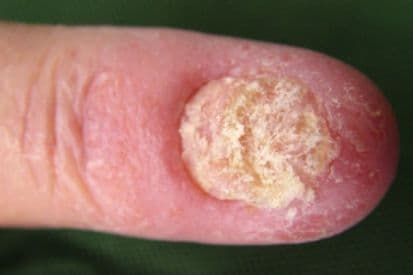
Candidal Intertrigo
A common form of cutaneous candidiasis that develops in skin folds where moisture becomes trapped.
Often appears as bright red, inflamed skin that may itch, burn, crack, or develop small red bumps.
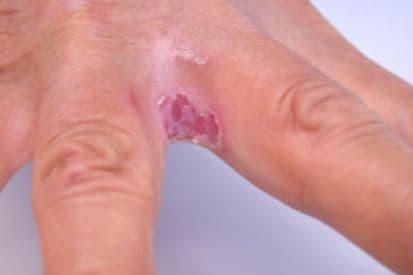
Diaper Candidiasis
A candida skin infection that develops in the diaper area due to warmth and moisture.
Typically causes a bright red, inflamed rash with small red bumps surrounding the main area of irritation.
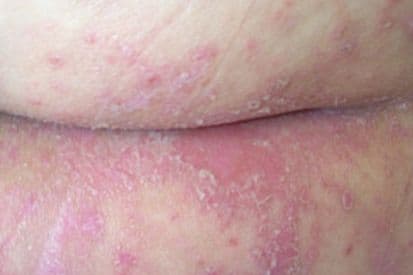
Oral Candidiasis (Oral Thrush)
An overgrowth of candida yeast that affects the mouth and throat.
Often appears as white, creamy patches on reddened tissue and may cause discomfort when eating or swallowing.
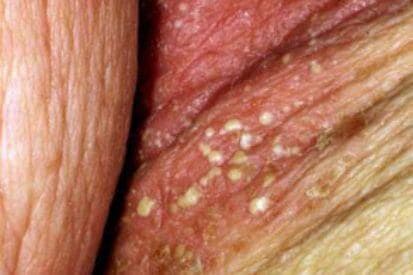
Candida Skin Infection
A fungal skin infection that develops when candida multiplies in warm, moist environments.
Can cause redness, irritation, and discomfort in affected areas.
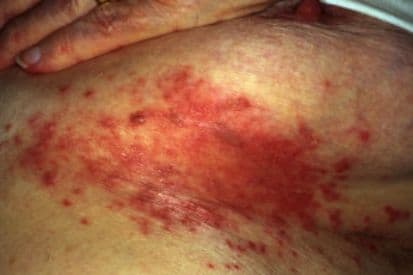
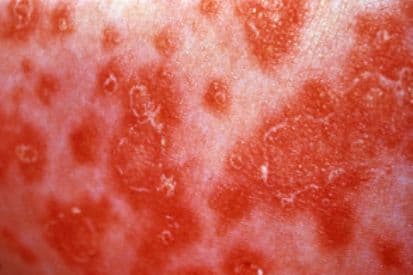
What are the symptoms of Cutaneous Candidiasis?
Cutaneous candidiasis symptoms may vary depending on where the infection develops and how severe it becomes. A candida skin infection often causes irritation in warm, moist areas of the body and may range from mild redness and itching to more persistent discomfort. Recognizing the early signs of a yeast infection on the skin can help you seek treatment before symptoms worsen.
Red, irritated, or inflamed skin
Itching or burning sensations
Tenderness or discomfort
Bright red patches
Skin cracking or splitting
Scaling or peeling skin
Oozing or weeping areas of skin
Small red bumps or pustules around the rash
White patches inside the mouth or throat (Oral Candidiasis)
Difficulty eating or swallowing (Oral Candidiasis)
Bright red rashes in the diaper area
Irritability or discomfort during diaper changes
What causes Cutaneous Candidiasis?
Cutaneous candidiasis develops when candida grows excessively and causes a candida skin infection. While candida is normally harmless, warm, moist environments can allow the yeast to multiply, leading to a fungal skin infection.
Several factors can increase your risk of developing skin cutaneous candidiasis, such as:
Excess sweating
Hot and humid weather
Obesity or excess skin folds
Tight-fitting clothing
Prolonged skin friction
Diabetes
Recent antibiotic use
Pregnancy
A weakened immune system
Chemotherapy treatments
Corticosteroid medications
Wearing dentures in cases of oral candidiasis
Managing these risk factors can help reduce the likelihood of developing a yeast infection on the skin.
How to Prevent Cutaneous Candidiasis
Preventing cutaneous candidiasis often involves reducing excess moisture and minimizing conditions that allow yeast to thrive. Your dermatologist can also help identify underlying factors that may contribute to recurrent infections.
Keep skin folds clean and dry
Change out of sweaty clothing promptly
Wear loose, breathable clothing
Dry thoroughly after bathing
Use moisture-wicking fabrics when exercising
Practice good diabetes management
Avoid prolonged exposure to damp clothing
Change diapers frequently
Maintain a healthy skincare routine
Candidiasis FAQs
How to treat Cutaneous Candidiasis
Most cases of cutaneous candidiasis respond well to treatment, especially when diagnosed early. The right cutaneous candidiasis treatments depend on the location and severity of the infection, as well as whether the condition is recurring. Treatment typically focuses on eliminating excess yeast, relieving symptoms, and addressing underlying factors that may contribute to future infections.
Antifungal Cream for Cutaneous Candidiasis
Many mild to moderate cases improve with an antifungal cream for cutaneous candidiasis or with other topical medications. Depending on the location and severity of the infection, your dermatologist may recommend prescription or over-the-counter antifungal creams, ointments, powders, or medicated lotions. These treatments work by reducing yeast overgrowth directly at the site of the infection and helping relieve itching, redness, and irritation.
Oral Cutaneous Candidiasis Medication
Some patients may require cutaneous candidiasis medication in the form of prescription oral antifungal drugs. Oral treatment is typically recommended when the infection is widespread, symptoms are severe, topical treatments have not been effective, or the candida skin infection keeps returning. Your dermatologist will determine the most appropriate treatment plan based on your symptoms and medical history.
Treatment for Diaper Candidiasis
Treatment for diaper candidiasis focuses on reducing moisture and treating the underlying yeast overgrowth. This may include frequent diaper changes, allowing the skin to air dry, applying antifungal creams or ointments, and using barrier creams to protect irritated skin. If symptoms do not improve within seven to ten days or the rash worsens, it is important to have your child evaluated by a dermatologist at Pinnacle Dermatology.
Treatment for Candidal Intertrigo
Candidal intertrigo treatment often involves a combination of antifungal medications and preventive measures to keep affected areas dry and reduce friction. Treatment may also include addressing underlying conditions, such as diabetes or excess sweating, that contribute to recurring infections.
How Pinnacle Dermatology can help
At Pinnacle Dermatology, our dermatologists provide personalized treatment plans for yeast infections in skin folds and other forms of skin cutaneous candidiasis to help relieve symptoms and support long-term skin health.
Our board-certified dermatologists are experienced in diagnosing and treating fungal skin infections, including cutaneous candidiasis. We provide personalized evaluations and treatment plans to help relieve symptoms, address contributing factors, and restore healthy skin.
How Is Cutaneous Candidiasis Diagnosed?
A dermatologist can often diagnose cutaneous candidiasis by examining the affected skin and reviewing your symptoms and medical history. Because a candida skin infection can look similar to other conditions, such as eczema, psoriasis, or bacterial infections, an accurate diagnosis is important to ensure you receive the right treatment.
In some cases, additional testing may be recommended to confirm the diagnosis or identify underlying causes. This may include:
Skin scraping
Microscopic examination
Fungal culture
Evaluation for underlying conditions
At Pinnacle Dermatology, our board-certified dermatologists are experienced in diagnosing and treating fungal skin infections, including cutaneous candidiasis. We provide personalized evaluations and treatment plans to help relieve symptoms, address contributing factors, and restore healthy skin.
Learn more about eczema and intertrigo.