
Alopecia and Hair Loss
Expert care for alopecia areata and hair loss at The Skin Surgery Center—personalized treatments to help you reclaim confidence.
Treatment availability varies by The Skin Surgery Center location. Please contact your clinic to confirm.
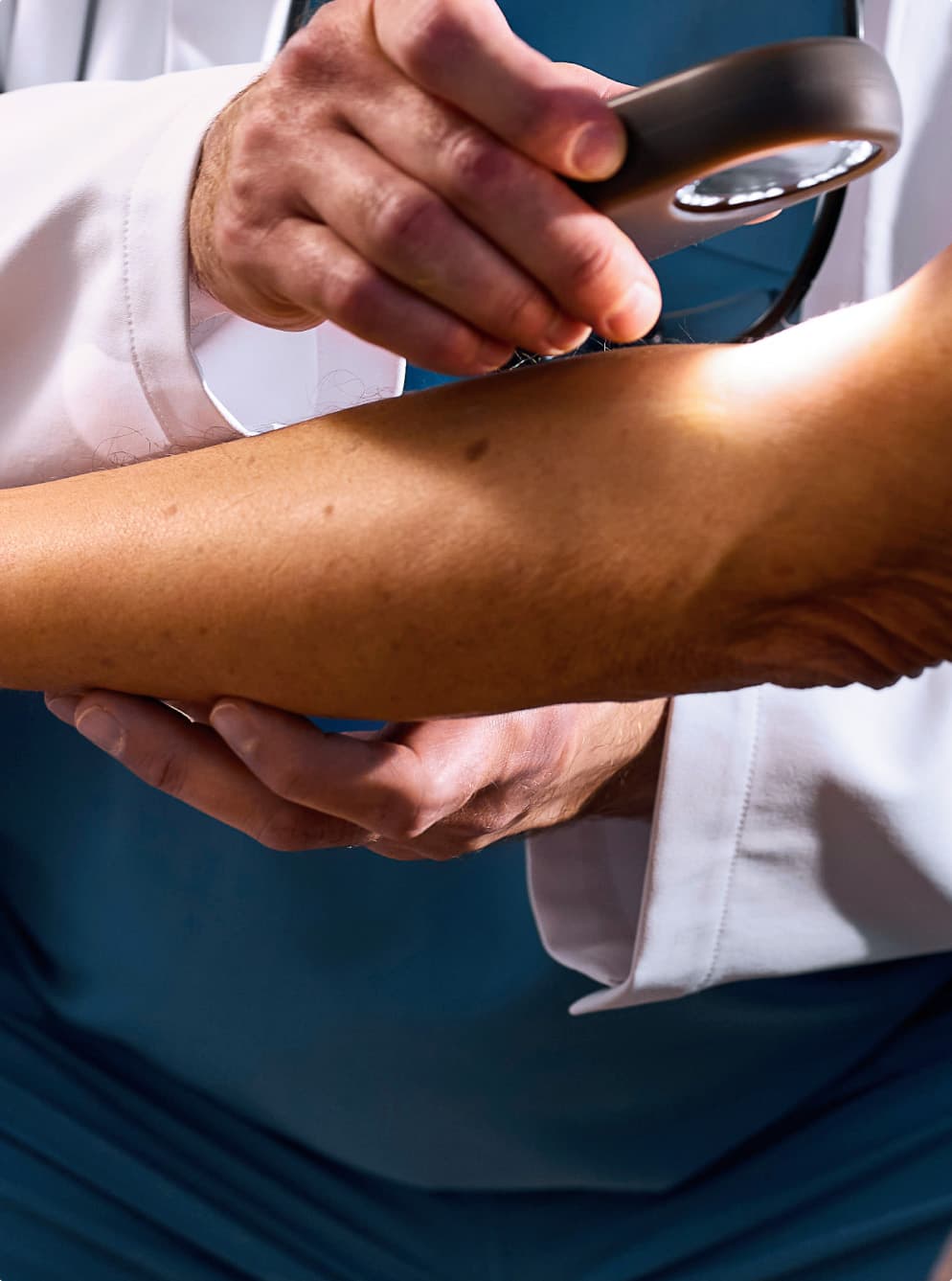

Expert care for alopecia areata and hair loss at The Skin Surgery Center—personalized treatments to help you reclaim confidence.
Treatment availability varies by The Skin Surgery Center location. Please contact your clinic to confirm.
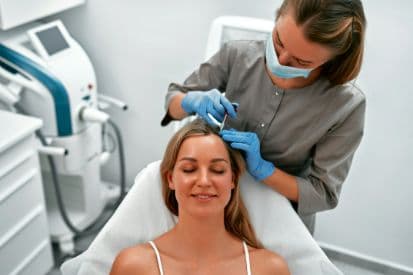
Alopecia areata is an autoimmune skin disease that causes hair loss on various parts of the body when the immune system mistakenly attacks hair follicles. This condition affects over 6.5 million people, including both children and adults, and can lead to sudden hair loss in small, round patches on the scalp, as well as hair loss in other areas such as the eyebrows, eyelashes, and face. Additionally, some individuals may experience nail changes like pitting or ridges. If you are experiencing hair loss or other symptoms of alopecia areata, scheduling an appointment with a dermatology provider at The Skin Surgery Center is crucial. Our expert team is equipped to diagnose and treat a wide range of skin and hair conditions, providing personalized treatment plans that may include topical treatments, corticosteroid injections, or other innovative therapies. Don't let alopecia areata control your life—take the first step towards effective treatment and regain your confidence by scheduling an appointment with The Skin Surgery Center today.
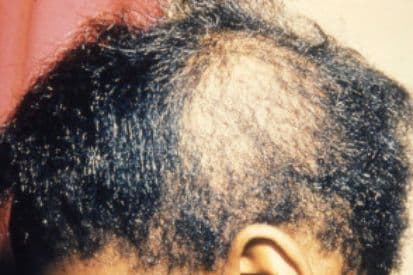
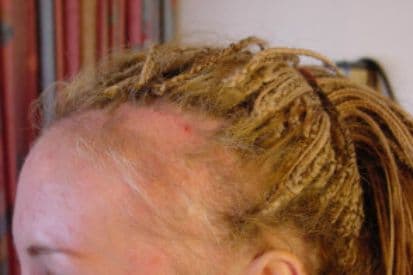
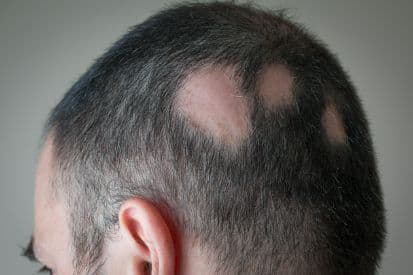
Examples of Alopecia Areata
What are the Symptoms of Alopecia?
Alopecia areata: skin loses hair in round sections of varying size.
Alopecia areata totalis: complete loss of hair on the scalp alone.
Alopecia areata universalis: loss of hair everywhere on the body.
Sudden appearance of a small number of round hairless patches on the scalp, followed by total scalp hair loss.
Some experience gradual thinning as well as itching associated with their hair loss. It will typically take 6 months for total hair loss of the scalp.
What are the Causes of Alopecia?
Genetics and hormonal changes can cause alopecia.
Autoimmune conditions like alopecia areata prompt the immune system to attack hair follicles.
Medical treatments, hormonal fluctuations, infections, stress, and nutritional deficiencies can contribute to hair loss.
Alopecia may result from tight hairstyles.
Certain diseases and aging can lead to gradual hair thinning.
How to Prevent Alopecia
Preventing alopecia involves maintaining overall health through a balanced diet minimizing stress, and avoiding tight hairstyles that cause undue tension on the hair. Attend to any medical conditions promptly and consider consulting with one of our dermatologists for personalized guidance on preventing and managing hair loss.
Alopecia and Hair Loss FAQs
Alopecia Treatments
Medical treatments for alopecia aim to address underlying causes and stimulate hair regrowth. Common approaches include but are not limited to:
Topical and oral medications.
Light therapy.
And in some cases, surgical procedures.
Individuals experiencing hair loss should consult with a dermatologist to determine the most suitable treatment based on the type and cause of alopecia. Schedule with one of our experts today.


